

September has a way of bringing structure back into our lives. Summer travel slows down, school starts back up, and our weekly schedules begin to feel a little more predictable. It’s also a great time to build, or rebuild, a consistent climbing routine.
The good news is that you don’t need to climb every day to see meaningful progress. Consistency isn’t about doing as much as possible. It’s about finding a rhythm you can maintain, giving your body time to recover, and showing up with a little intention each time you visit.
Start with a Schedule You Can Maintain
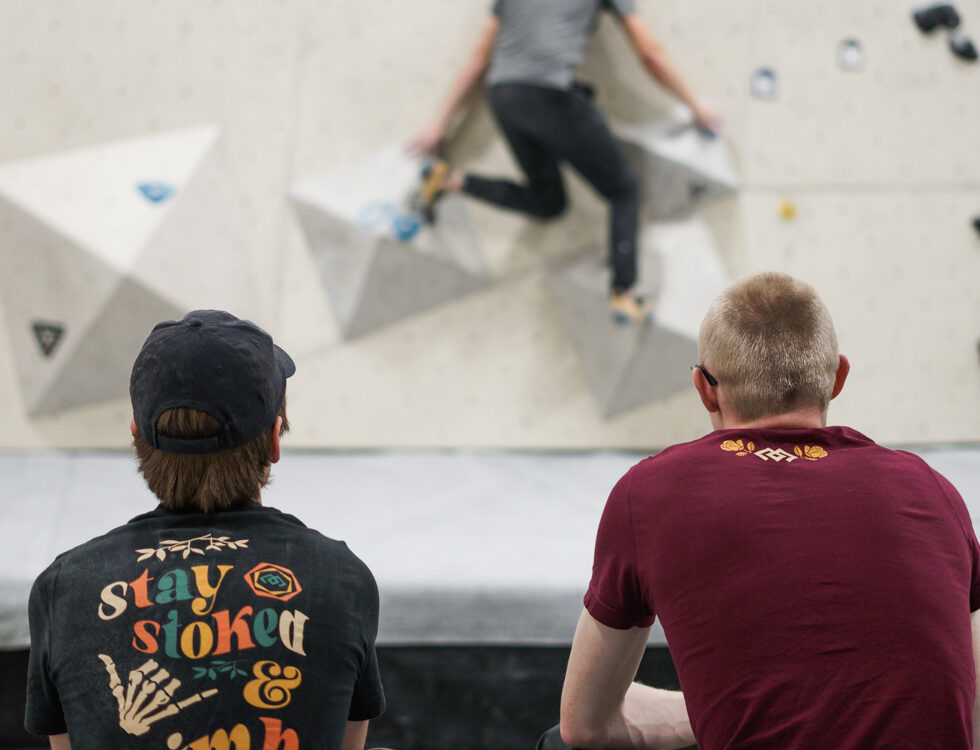
It’s easy to feel motivated when you begin a new routine, but filling every free evening with climbing can lead to burnout, or some very tired forearms.
For many climbers, two or three sessions each week is enough to build strength, improve technique, and keep progressing. If you’re newer to climbing, start with two days and see how your body responds. You can always add another session later.
The best climbing schedule isn’t necessarily the most ambitious one. It’s the one that fits into your life well enough that you’ll continue following it.
Give Each Session a Purpose
You don’t need a complicated training plan, but giving each session a small focus can help you climb more intentionally.
One day, you might concentrate on quiet footwork and placing your feet accurately. During another session, you could practice climbing with straighter arms or trying routes that require a style of movement you normally avoid. You can also set aside time to revisit a climb that gave you trouble during your last visit.
Not every session needs to be about climbing harder. Some days are for learning, experimenting, or simply enjoying time on the wall.
Remember That Rest Is Part of Progress
Climbing asks a lot from your fingers, forearms, shoulders, and the rest of your body. Rest days give those muscles and tendons time to recover and grow stronger.
If you’re feeling unusually tired, sore, or unable to climb at your normal level, your body may be asking for more recovery. Taking a day off doesn’t mean you’re falling behind. It helps prepare you for a better session the next time you climb.
Sleep, hydration, and a good warm-up also make a noticeable difference in how you feel on the wall.

Use the Community Around You
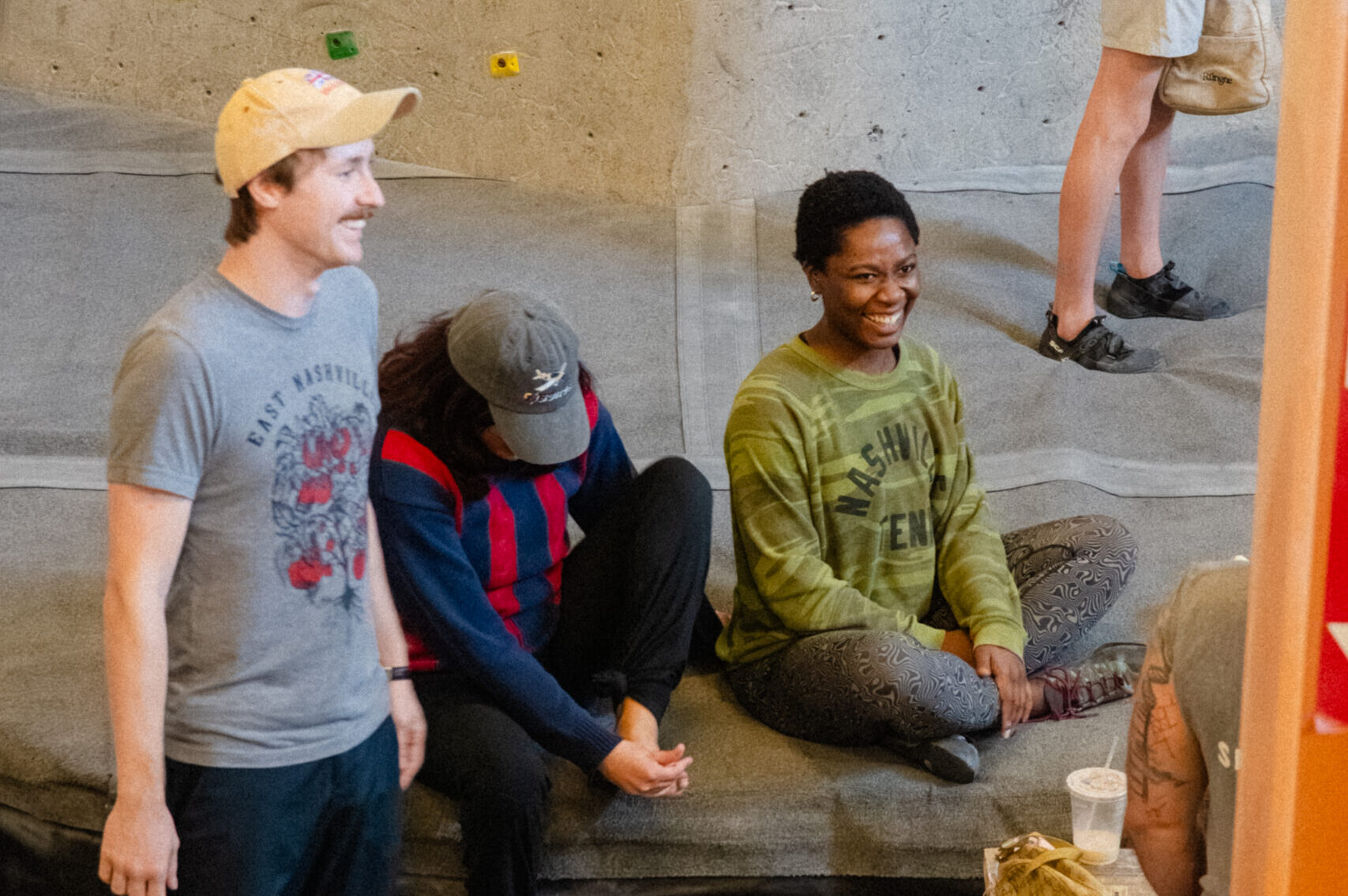
One of the best ways to make a routine stick is to stop doing it alone. Make plans with a climbing partner, join a class or clinic, or introduce yourself to someone working on the same route.
Climbing with other people gives you built-in encouragement and accountability. It can also help you see solutions you might not have discovered on your own.
Don’t be afraid to ask questions. Climbers love talking about climbing, and the CLIMB community is full of people who remember what it felt like to be new.

Measure More Than Grades
Completing a harder grade is exciting, but it isn’t the only sign that you’re improving.
Maybe your foot placements are quieter. Maybe you’re resting more effectively, feeling more confident on the wall, or completing a route with fewer attempts. You might notice that a movement that once felt impossible now feels natural.
Those wins matter. Paying attention to them can help you stay motivated—even when the numbers beside the routes aren’t changing as quickly as you’d like.

Leave Room for Life to Happen
Your routine doesn’t have to be perfect to be effective. Some weeks will be busy. You may miss a planned session, need extra recovery, or have less energy than usual.
That doesn’t mean you’ve failed or need to start over. Just come back when you can.
Progress rarely comes from one perfect climbing session. It comes from returning, learning something new, and giving yourself time to grow. Whether you’re stepping onto the wall for the first time or finding your rhythm again, September is the perfect time to make climbing part of your routine.