

One of the first things you notice when you walk into a climbing gym is that not everyone is climbing the same way. On one side of the gym, people are working through shorter climbs close to the ground, taking turns on the same few moves and talking through different ways to solve them. On the other side, climbers are tied into ropes, moving higher up the wall and working through longer routes that demand a completely different kind of focus.
If you are new to climbing, it is easy to look at both and wonder where you are supposed to start. The good news is that there really is not a wrong answer. Bouldering and top rope climbing are both great ways to get into the sport, and each one teaches you something a little different about movement, problem-solving, confidence, and yourself.
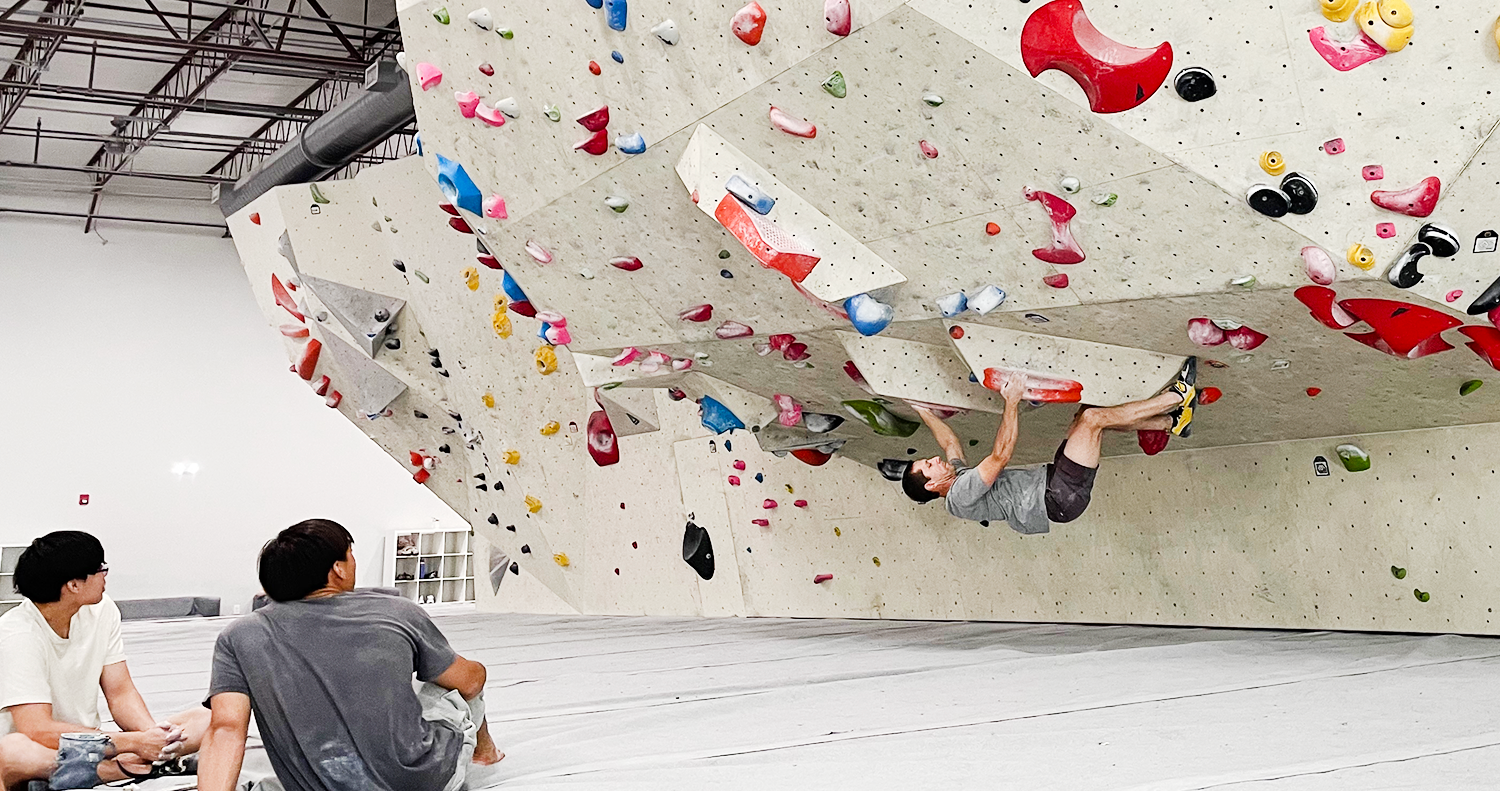
Bouldering is climbing on shorter walls without a rope or harness. Instead, the floor is covered with thick padding designed for controlled falls. Because the climbs are shorter, a single boulder problem may only involve a handful of moves, but that does not make it easy. In fact, bouldering often asks you to solve one very specific movement that can take several attempts to understand.
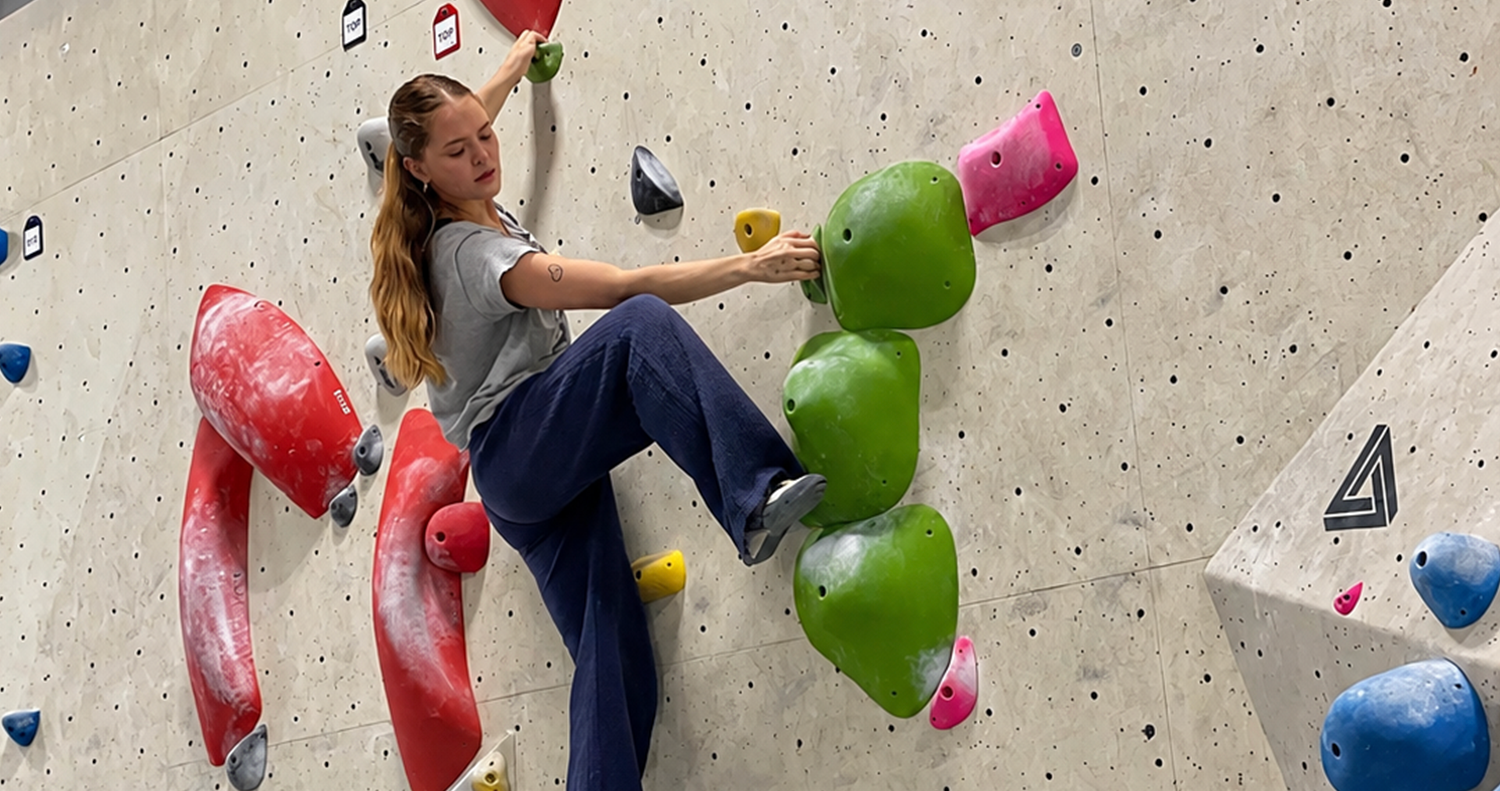
That is part of what makes it so fun. You can stand in front of a problem, study the holds, make a guess about how you are supposed to move, try it, fall, and immediately start rethinking the whole thing. Maybe your foot was in the wrong place. Maybe you were pulling too hard when you should have shifted your hips. Maybe the move that looked impossible suddenly works because you approached it from a completely different angle.
There is something very satisfying about that process. Bouldering turns climbing into a physical puzzle, and you get almost instant feedback every time you try.
It is also naturally social. People tend to gather around the same problems, take turns, trade ideas, and celebrate when someone finally sticks a move they have been working on. You can climb independently without needing a partner, but you are rarely truly alone. That makes bouldering an easy entry point for someone walking into the gym for the first time.
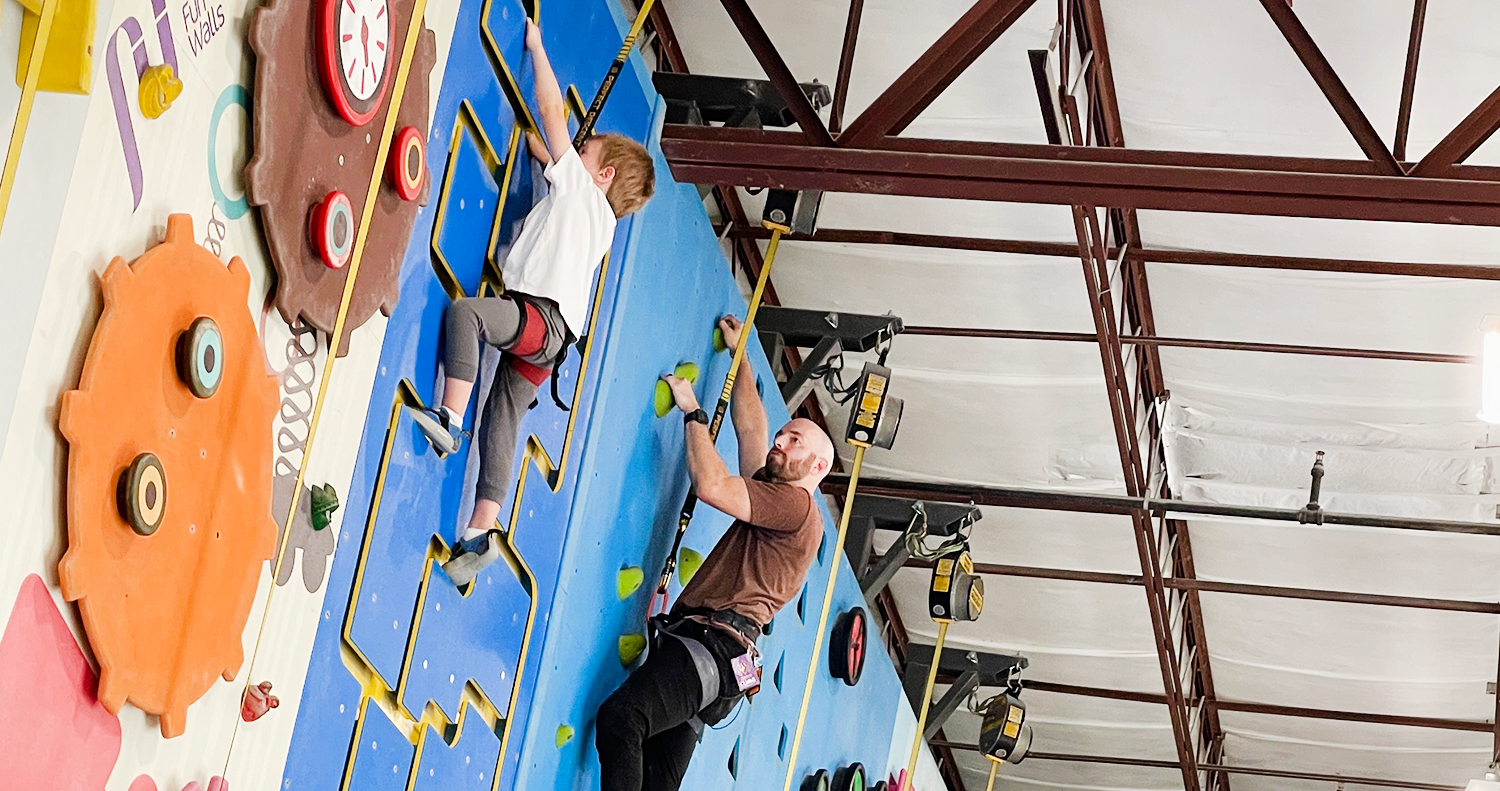
Rope climbing feels different almost immediately. The walls are taller, the routes are longer, and instead of solving only a few difficult movements, you are learning how to manage yourself over time. You have to think about how much energy you are using, when to slow down, where to rest, and how to stay relaxed when your forearms start telling you they have had enough.
That creates a different kind of challenge. A route might not contain a single move that feels impossibly hard, but putting all of those movements together from the floor to the top can require patience, endurance, and efficiency.
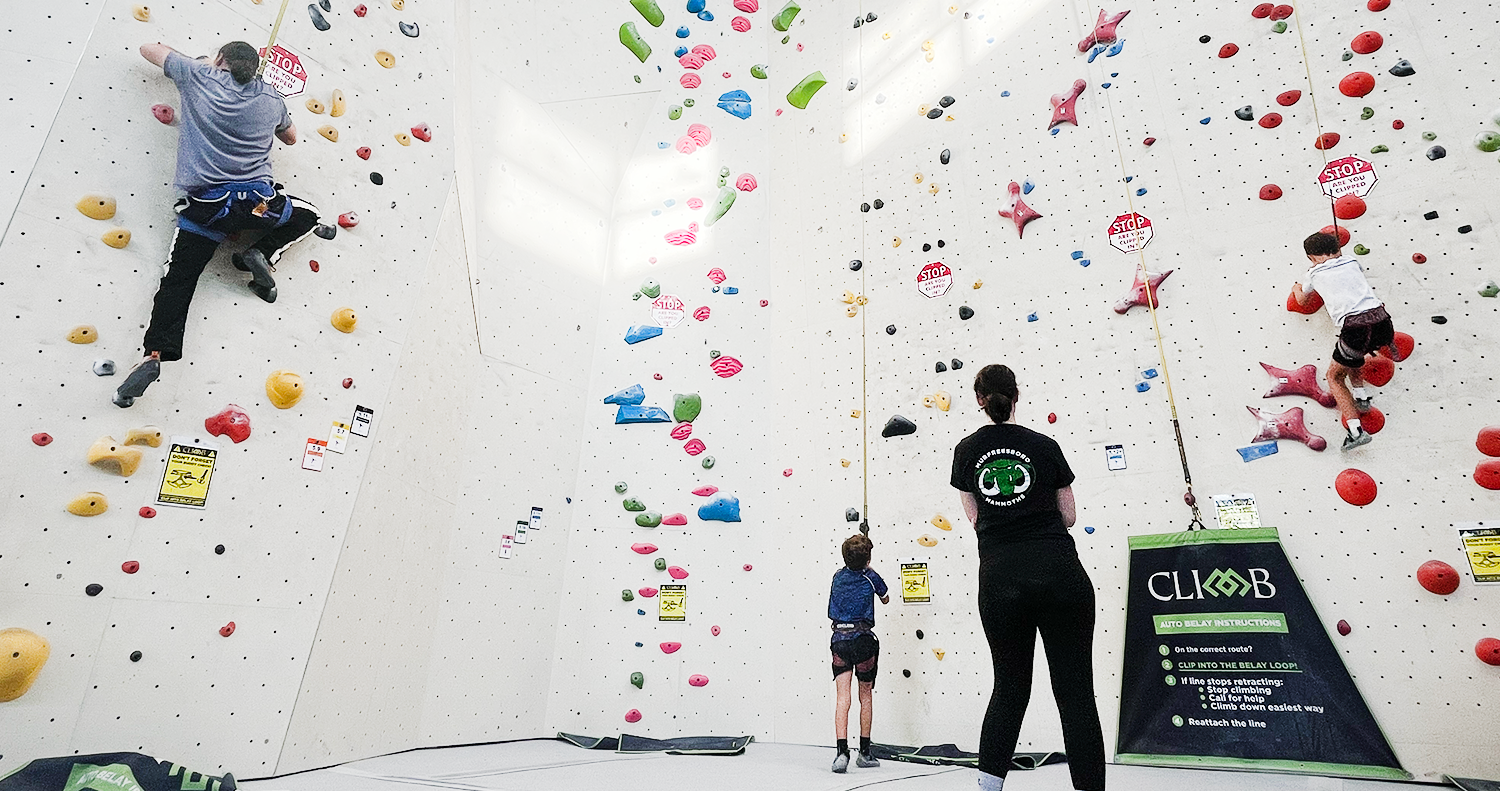
There is also a mental element that is hard to understand until you experience it. Being higher on the wall changes things. Even when you know the rope is there to protect you, your brain may have a few opinions about where you are standing. Learning to breathe, trust the system, and keep moving can become just as meaningful as the physical climb itself.
For some people, that is exactly why they fall in love with ropes.
New climbers sometimes assume that one style is more beginner-friendly than the other, but it really depends on the person. Bouldering has a very low barrier to entry. Once you understand how to move safely and how to fall properly, you can walk up to a problem and start experimenting. There is very little setup, and you can move at your own pace.
Rope climbing can feel just as approachable for different reasons. Some people are actually more comfortable knowing they are connected to a rope, especially when they are still learning how their body moves on the wall. Longer routes can also give newer climbers more time to find a rhythm rather than immediately confronting one difficult move.
The workout feels different too. Bouldering tends to be more explosive. You may make a few powerful moves, drop back to the mat, rest, and try again. Rope climbing usually asks you to sustain your effort longer, which means learning to conserve energy becomes part of the challenge.
But the more you climb, the more you realize that strength is only one piece of the equation. Good climbers are constantly learning how to move better, not just how to pull harder.
A small adjustment in foot placement can save a surprising amount of energy. Turning your hips toward the wall can make a reach feel completely different. Learning when to relax your grip can help you stay on the wall longer than simply trying to become stronger.
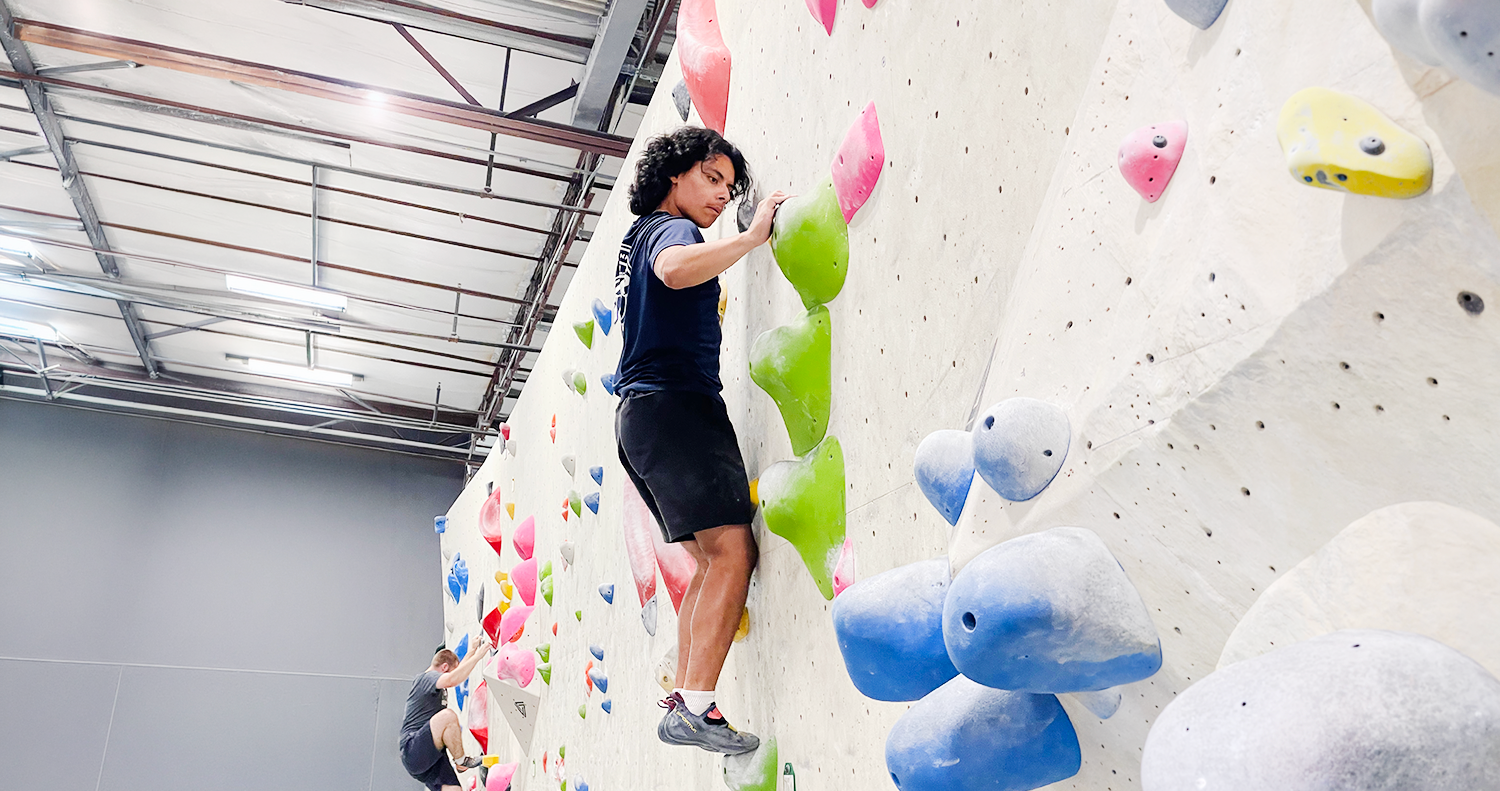
Those lessons transfer between bouldering and rope climbing in ways that are easy to overlook.
Someone who spends time bouldering may become better at solving difficult sequences when they encounter them on a rope route. Someone who spends time rope climbing may become more patient and efficient while working through longer boulder problems.
That is why the question does not necessarily have to be “Which one is right for me?”
A better question might be, “What do I want to try today?”
You may discover that you love the problem-solving side of bouldering. You may find that nothing compares to reaching the top of a tall route. You may enjoy both for completely different reasons.
And that is one of the best parts of climbing. You do not have to decide what kind of climber you are before you begin.
You get to figure it out one climb at a time.